
Behind the Gallery Door: Bringing Remote Contributors Into One Show
How a vision mixer actually works with off-site feeds: the checks before going live, the talkback habits and the small decisions that keep remote contributors in step with the room.
What arrives in the gallery, and when
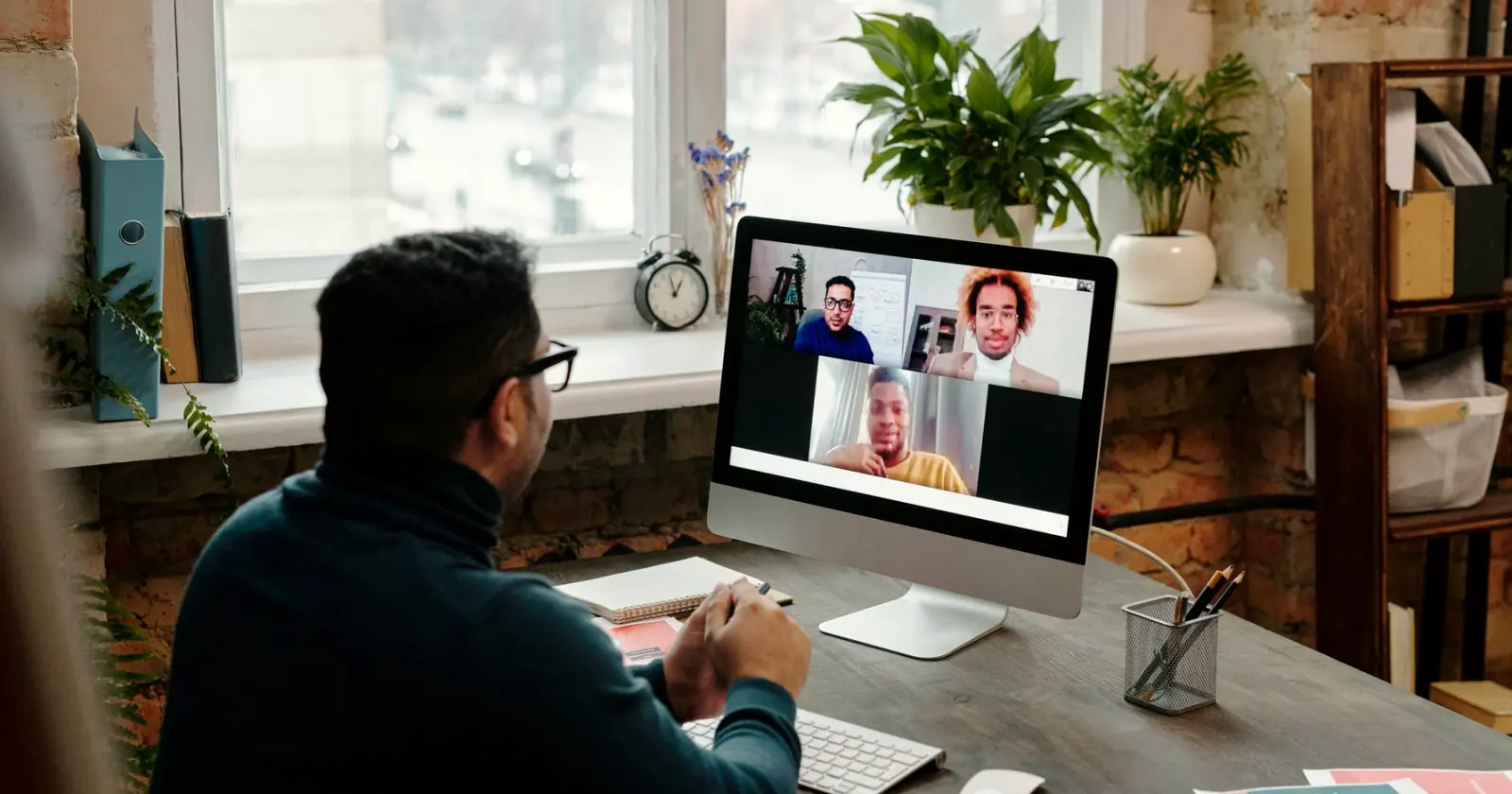
Most people picture a remote contributor as a face in a window. From where I sit at the vision mixer, it is a source with its own behaviour: a frame rate, a delay, a sound level and a connection that may or may not hold for ninety minutes. Long before the show, each off-site feed is given a place on the mixer and a name on the multiviewer, so that nobody has to guess which tile belongs to whom.
We ask every contributor for the same few things in advance: where they will be, what they will be using, and a named person who can answer a phone. That last item matters more than any piece of equipment. When a picture freezes, the quickest fix is usually a calm conversation with someone standing next to the problem, not a guess from a gallery that cannot see the room.
Hannah's production schedule carries these details as a simple sheet. By the time I look at it, I know who joins at which point in the running order and what they are expected to say or show.
- Location and a contact number for each contributor
- The device and connection they plan to use
- Their cue point in the running order
The test call nobody enjoys and everybody needs
Each contributor gets a test call, ideally on a different day from the show and from the same place they will use on the day. It is never glamorous. We check the picture, the sound, the framing and, above all, how the link behaves over twenty minutes rather than two.
What I am listening for is the pattern of trouble. A feed that is perfect for a minute and then stutters every few minutes tells Daniel something about the connection that a short check would never reveal. A voice that sounds fine on headphones but thin in the programme mix tells me where to set the level before anyone is watching.
We also use the test to settle small matters of etiquette: look at the lens, keep a glass of water out of shot, wait for the count before speaking. These are ordinary requests, but agreed calmly in rehearsal they spare everyone an awkward correction while live.
- Run the link long enough to see it misbehave
- Set levels against the programme mix, not just headphones
Talkback and the language of the cue
Once the show is running, the gallery talks to remote contributors through a return feed and a talkback channel, and the discipline is in how we use them. Cues are short and always the same. I would rather say the same three words fifty times than invent a clever phrase that someone half-hears over a noisy stage.
A remote contributor cannot read the room. They do not see the director lean forward or the runner step across the stage. So we tell them what is happening: you are next after this item, we are coming to you in ten seconds, you are live now, you are clear. Each of those is a small piece of reassurance as well as an instruction.
The technical director owns the channel and decides who may speak on it. I keep my own comments for the mixer. That separation keeps the line clear during a busy sequence and means a contributor hears one steady voice rather than several.
- Use fixed phrases for standby, live and clear
- Tell contributors what is happening around them
Delay, and why we plan around it
Every off-site feed arrives a little late. The delay may be a fraction of a second or something you can feel in a conversation, and it is rarely the same twice. If a presenter in the room asks a question of someone on a remote link, the pause before the answer is not rudeness; it is the signal making its way to us.
We do not try to hide that delay with clever tricks during the show. We plan for it. Presenters are briefed to leave a beat before expecting a reply, and the vision mixer cuts to the contributor when their picture is actually there rather than when the question ends. Matching the cut to what the audience will see is the whole skill.
Where a feed must be lined up with the room audio, Daniel measures the offset in rehearsal and sets it on the equipment. It is a small adjustment, but lip movement that lands with the sound is one of those things viewers never notice precisely because it is right.
- Brief presenters to leave a beat before replies
- Measure and set audio offset during rehearsal
When a feed drops mid-show
Sooner or later a link falters. What matters is that the decision has been made before it happens. For every remote contributor we agree a fallback: a held graphic, a pre-recorded clip, a switch to the main stage camera, or a pause with the presenter filling a few sentences. The technical director chooses, and the mixer carries it out without fuss.
The contributor hears about it through talkback in plain terms. We tell them the picture has broken up, ask them to hold still, and give them a time by which we will either recover or move on. Nobody should be left wondering whether they are live while the gallery quietly gives up on them.
Afterwards, Hannah collects what went wrong while it is fresh. Was it the connection, the device, a battery, a router moved by somebody in the building? The answer goes into the notes for the next production, and that habit improves more shows than any single piece of kit.
- Agree a fallback for each contributor in advance
- Tell contributors plainly what the gallery sees
What this means for an organiser
If you are planning an event with people joining from elsewhere, the most useful thing you can do is send us names, locations and contact numbers early. We can solve most problems if we know about them a few days ahead, and very few if we meet them for the first time during the soundcheck.
Ask your contributors to join from a quiet place with a wired connection where they can, to sit near a power socket, and to keep a second device within reach. None of this is demanding, and all of it removes a common cause of trouble.
Finally, be ready to accept a short rehearsal with each of them. It costs a little of their time and returns it many times over on the day, when the show moves along and the audience sees only a single, well-run broadcast.
Remote production works when the unglamorous parts are done early: a named contact, a proper test call, fixed cue phrases and an agreed fallback for every feed. From the gallery, my job is to make people in different places look like part of one calm programme. The audience should never have to think about where anyone is sitting.
Priya Nair
Vision Mixer OperatorPriya cuts multi-camera concerts and festival stages, keeping shots in time with the music.