
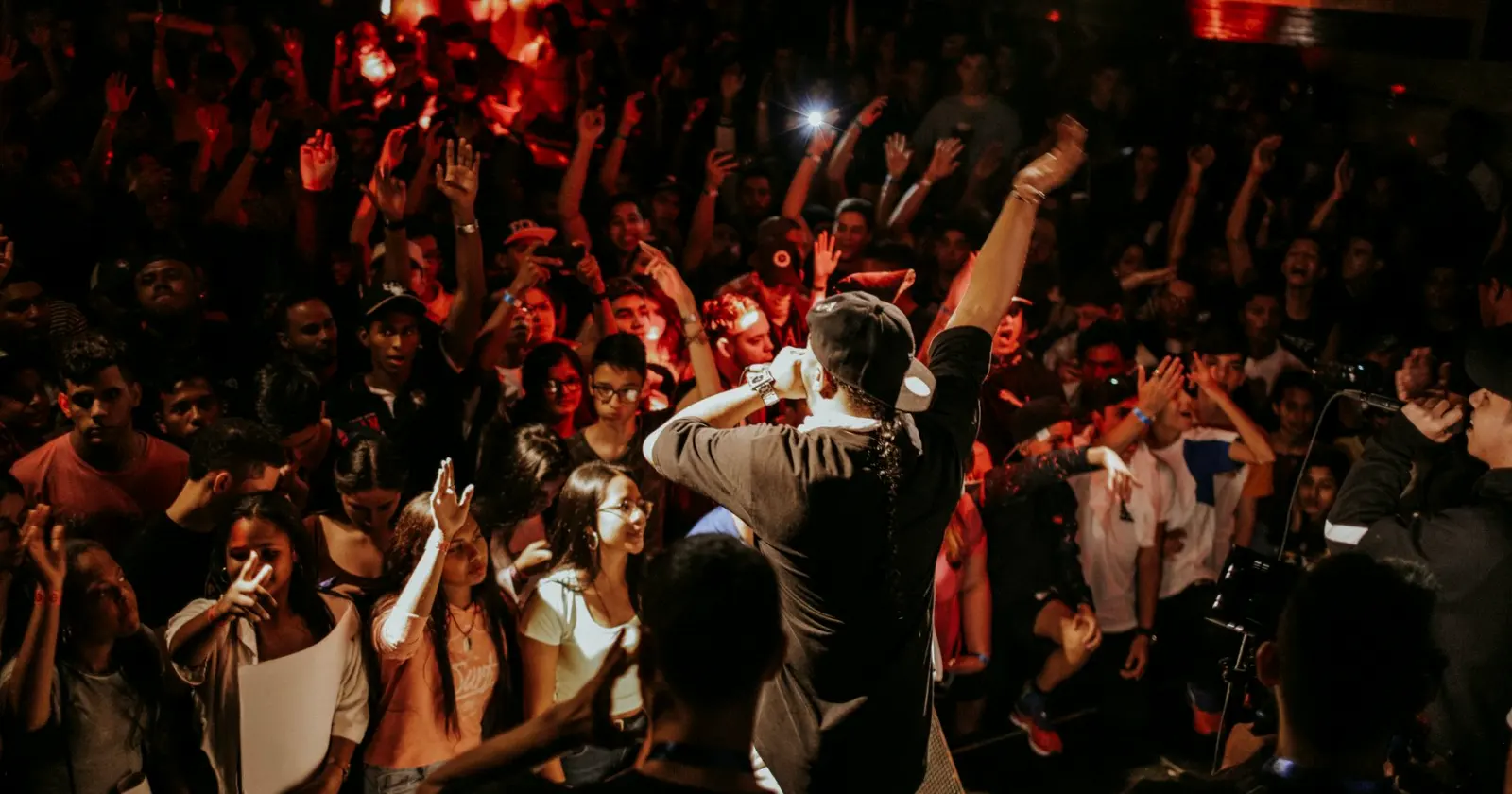
Fixed Cameras or a Roaming Crew: Choosing the Right Concert Coverage
Two ways to cover a stage performance are compared, a locked-off camera plan and a mixed plan with hand-held operators, with a clear recommendation for mid-sized concerts and festival stages.
The two options on the table
Most organisers who ask us about concert coverage are really choosing between two shapes of camera plan. The first is a fixed plan: a set number of cameras on tripods, jibs or remote heads, each locked to a position that suits the stage and the house. The second is a mixed plan, where some of those fixed positions are joined by one or two roaming operators working on the stage apron, in the pit or among the audience.
Both can produce a good programme output. They differ in cost, in rehearsal needs, in how much a vision mixer can rely on a shot being there when the music calls for it, and in how much risk the crew carries once doors open. This note sets the two side by side and ends with the plan I would choose for a typical stage event.
What a fixed camera plan gives you
A fixed plan is predictable. Every camera has a known frame, a known lens and a known cable run back to the gallery. Before the first act I can walk the technical director through each shot, agree the wide, the two close positions on the front line and any side angles, and then build the cutting around them. Nothing about the plan depends on an operator finding the right spot in a packed room.
That predictability helps when the programme is going straight to a stream or to a broadcaster with strict timings. Fewer people moving means fewer cables underfoot, fewer radio calls and less to explain to the venue's safety staff. The trade-off is that the picture can feel composed rather than lived in. A locked wide is safe, but it cannot follow a singer who walks out into the audience.
- Known frames and lens choices agreed at the camera plan stage
- Simpler cable routing and fewer people in the audience area
- Easier to rehearse, easier to repeat across a multi-day festival
- Less variety in angles once the set is under way
What roaming operators add, and what they cost
A roaming camera brings the energy of the room into the programme. A hand-held operator can catch a drummer's hands, a crowd reaction or a guitarist stepping to the edge of the stage, and these are the shots that make a concert recording feel like the night it was. When I am cutting, a good roaming shot gives me a reason to leave a static angle and a way to vary the pace.
It is also the part of the plan that needs the most care. A roaming operator needs a clear route, a radio link to the gallery, a wireless or long tethered feed, and a briefing about where not to stand. That adds crew, rehearsal time and a line on the quotation. It also adds risk: a wireless link can drop in a crowded venue, and a shot that depends on one person's position is harder to guarantee than one on a tripod.
How the choice plays out on a real stage
The decision usually turns on three things: the size of the venue, the length of the show and what the footage is for. On a small stage with a seated audience, a fixed plan of four or five cameras is often enough, because the performers stay put and the room is easy to read. On a festival main stage with a standing crowd and a long running order, the repetition of fixed angles starts to show by the third act.
Time of year matters too. In these autumn weeks, many events move indoors, where ceilings are low, rigging points are limited and audience areas are tight. That favours fewer, better-placed fixed cameras and a single roaming operator rather than a larger hand-held team. Outdoor events with generous pits can carry more movement, provided the weather allows wireless links to be set up reliably.
- Small seated venue: fixed plan, with one roaming camera if budget allows
- Standing crowd, long bill: fixed core plus one or two roaming operators
- Broadcast with tight timing: fixed plan, with roaming shots used sparingly
What I would recommend
For most concerts and festival stages of a medium size, I recommend a hybrid: a fixed core of cameras covering the wide, the front line and the key side angle, plus one roaming operator who is briefed to work a defined area. This keeps the programme safe, because the main shots do not depend on a person in the crowd, and it gives me the variety I need to cut with the music.
I would only go fully fixed when the venue is very constrained, the rehearsal time is short or the output has to be delivered with no margin for error. I would only add a second roaming camera when the stage is large enough that a single operator cannot cover both sides. In both cases the camera plan is agreed in writing before the load-in, so the production manager and the organiser see the same plan I do.
Questions to settle before the plan is agreed
Whichever shape you lean towards, a few questions are worth answering early. Where will the audience be standing or seated, and where can cameras and operators be placed without blocking sightlines or exits? What does the venue allow in terms of rigging, power and cable runs? Who needs to approve the camera plan on the organiser's side, and by when?
It also helps to know what the recording will be used for. A live stream to remote viewers asks for different priorities from a recording intended for later editing. If you tell us this at the first enquiry, the technical director can propose a plan that fits, and the quotation reflects the crew that plan actually needs.
A fixed plan is the dependable foundation, and roaming cameras are the addition that gives a concert its life. For medium-sized stages I would build on fixed positions and add one well-briefed operator, then adjust only if the venue or the output demands it. If you are weighing the two for an upcoming event, send us the venue details through the contact page and we will propose a plan in writing.
Priya Nair
Vision Mixer OperatorPriya cuts multi-camera concerts and festival stages, keeping shots in time with the music.