
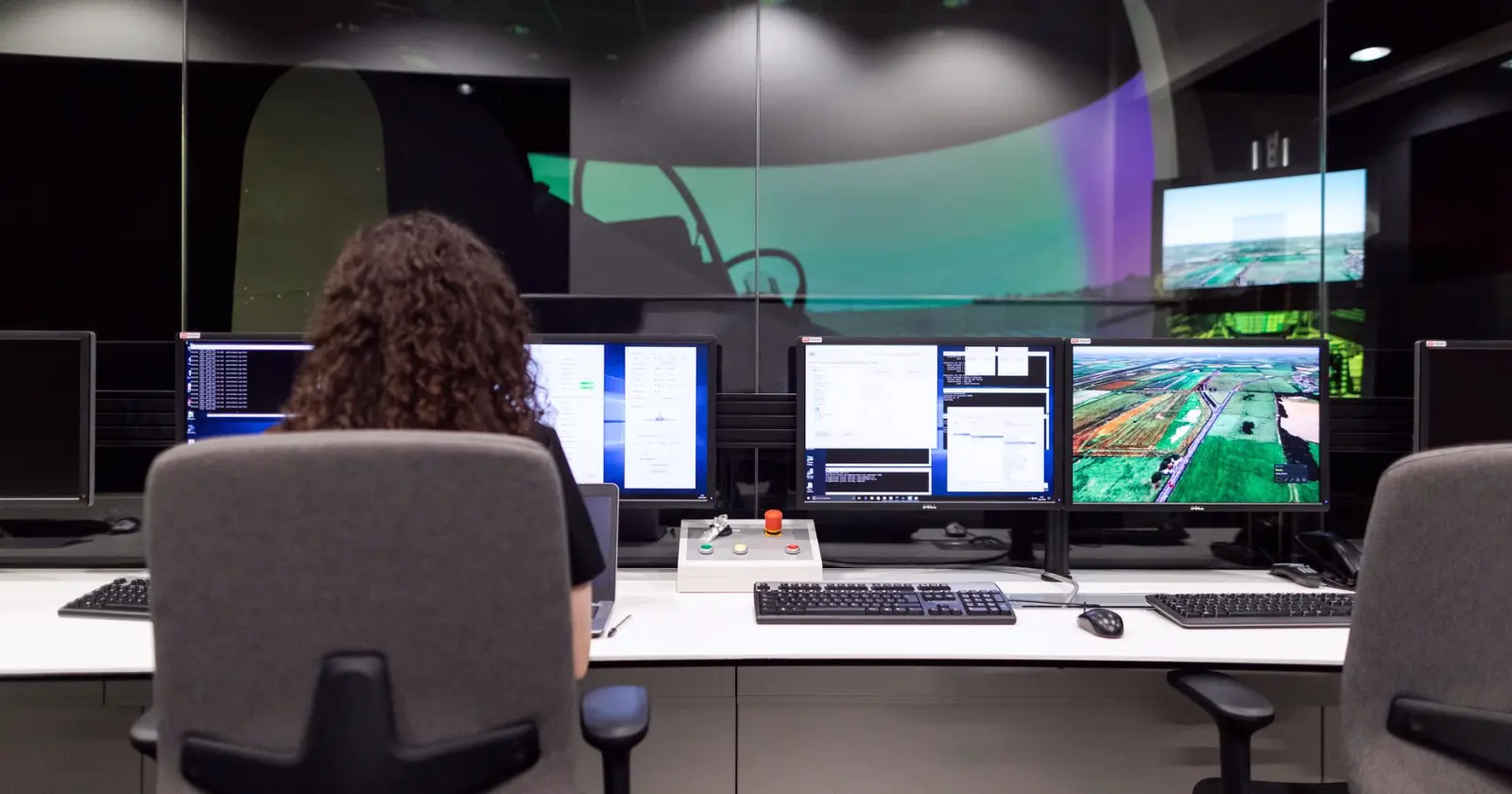
Inside the gallery: how a festival stage becomes one programme
A streaming engineer's account of what happens behind a concert or festival broadcast, from the first camera plan to the programme output leaving the building.
Starting with the stage plan, not the equipment list
Every concert or festival broadcast we run begins with a drawing of the stage and a conversation about what the audience at home should actually see. Callum Hartley, our technical director, walks the venue or studies the plan with the organiser and decides where each camera sits, which lenses it needs and how each one will be cabled back to the gallery. Only then do we write the equipment list, because the list follows the plan and never the other way round.
From my side as streaming engineer, that plan tells me how many signals will arrive in the gallery and what the outgoing programme has to carry. A single stage with five cameras is a very different job from a festival with two stages, a front-of-house position and a crowd camera, even if both are described to us as a live show.
- Camera positions and lens choices agreed with the organiser
- Cable routes and distances checked against the venue plan
- Signal count confirmed before any kit is allocated
Building and testing the gallery before the doors open
On the day, the gallery is built first and the stage comes second in our attention. Racks go in, monitors are set at a sensible viewing distance, and the vision mixer panel is placed where the operator can see the multiview and hear the director without strain. Each camera is then brought up one at a time and checked for picture, colour match and intercom before anything is switched.
We leave time for a full line check, because most faults show themselves in the quiet hours before an event rather than during it. A loose connector or a camera running on the wrong frame rate is a ten-minute fix at two in the afternoon and a real problem at eight in the evening.
Rehearsal and the cut that follows the music
If the schedule allows a soundcheck, we treat it as a rehearsal for the gallery too. Priya Nair, who cuts most of our concert work, listens to the arrangement and notes where the shots should change: on a bar, on a lift in the chorus, on a drummer's fill. A cut that lands a beat late is noticed by viewers even when they cannot say why.
Camera operators learn what the director will ask for and the director learns which shots are actually available. Short phrases on the intercom replace long explanations. By the time the first act walks on, everyone in the chain knows who calls the next shot and who answers.
What the streaming chain adds to the picture
When a broadcast also goes online, my work starts where the vision mixer's ends. The programme output is encoded, sent to the platform and watched on a separate monitor, so we see what the audience sees rather than what we hope they see. I keep an eye on bitrate, dropped frames and the health of the connection throughout the show.
A second path is prepared wherever the venue's connectivity allows it, so a single failed link does not end the broadcast. Graphics and replays are fed in before the encoder, which means whatever the operators build in the gallery is exactly what leaves the building.
- Programme output checked on a separate monitor
- Backup path prepared where the venue allows
- Graphics and replays added ahead of the encoder
Running the show and handling the unexpected
During the performance, the gallery stays quiet. The director calls shots, the vision mixer takes them, and the rest of us watch our own meters and screens. Things do go wrong on live shows: a singer moves to a part of the stage nobody lit, a camera operator loses a battery, a rain shower sends the crowd under cover.
What matters is that each problem has an owner and a first response agreed beforehand. We would rather cut to a wide shot and fix a fault than hold on a poor picture. Calm voices on the intercom do more for a broadcast than any extra piece of equipment.
After the final song
The programme output ends with the show, but our work does not. We keep the stream running until the platform confirms the end, then log any faults, note what the venue could improve for next time and pack down in a set order so nothing is left behind in the dark.
Hannah Whitlock, our production manager, follows up with the organiser on recordings, delivery of files and the final invoice. A short written note of what worked and what did not goes into the file for the next event at that site, so the next plan starts from what we learned.
A concert or festival broadcast looks effortless when the preparation has been done properly. The camera plan, the tested gallery, the rehearsed cuts and a watched streaming chain each take a share of the work. None of it is dramatic, and that is the point: when the gallery stays calm, the audience sees only the performance, and the organiser gets a programme they can be proud to put their name to.
Daniel Foster
Streaming EngineerDaniel builds and monitors the streaming chain so events reach audiences without interruption.