
Planning a Production Gallery Before the Winter Event Season
Hannah Whitlock sets out how to prepare a temporary or fixed control room over the coming months, from site visits and power to cabling, cold venues and rehearsal time.
Why autumn is the time to settle the gallery
By mid autumn the calendar for the winter months is filling. Venues are confirming dates for seasonal concerts, indoor festivals and filmed stage events, and the question of where the production gallery will sit often gets answered last, after the stage plan and the lighting rig have taken the best spaces. I would like to see it answered much earlier. A gallery is a small building made of racks, monitors and cable, and it needs a room, power, ventilation and a clear view of its sources.
When we plan a temporary or fixed gallery for a venue, the first conversation is rarely about equipment. It is about where people will sit, how long the cable runs will be and who holds the keys. Those answers shape everything else, and they are far easier to settle in October than in the week of the show. This note covers what I would do in the coming months, in the order I would do it.
Start with a site visit and a floor plan
A site visit is the most useful hour in the whole process. We walk the route from the stage to the proposed gallery, note the doors, stairs and ceiling voids the cable has to pass, and check whether the room can be darkened. A monitor wall in a bright room is tiring to work from, and a technical director squinting at screens makes slower decisions.
Afterwards we draw a floor plan with the camera positions, the gallery, the equipment racks and the points where the audio feed arrives. It does not need to be elegant. It needs to be something the venue manager, the stage crew and our own team can all mark up. Changes made on paper in October cost nothing, whereas the same changes made on the day cost time the show does not have.
- Measure cable routes rather than estimating them
- Note which doors must stay open for fire safety
- Photograph the room with the lights on and off
Power, cooling and the cold venue problem
Winter venues bring two opposite problems. Halls that are unheated until the audience arrives can be cold enough to affect how people work, and some equipment dislikes condensation when it moves from a cold van into a warm room. Meanwhile a small gallery full of racks and people warms up quickly and needs ventilation. We plan for both by asking what heating and air handling the space has, and by letting equipment settle to room temperature before it is powered up.
Power deserves its own check. We ask for a dedicated, clearly labelled supply for the gallery, separate from lighting and sound where the venue allows it, and we confirm what protection is on the circuit. A shared supply that trips when the stage lighting changes is a risk we would rather remove in advance than discover during a live feed.
- Allow equipment time to reach room temperature
- Ask for a labelled gallery supply, separate from stage loads
- Plan seating so air can move around the racks
Cabling, labelling and the signal path
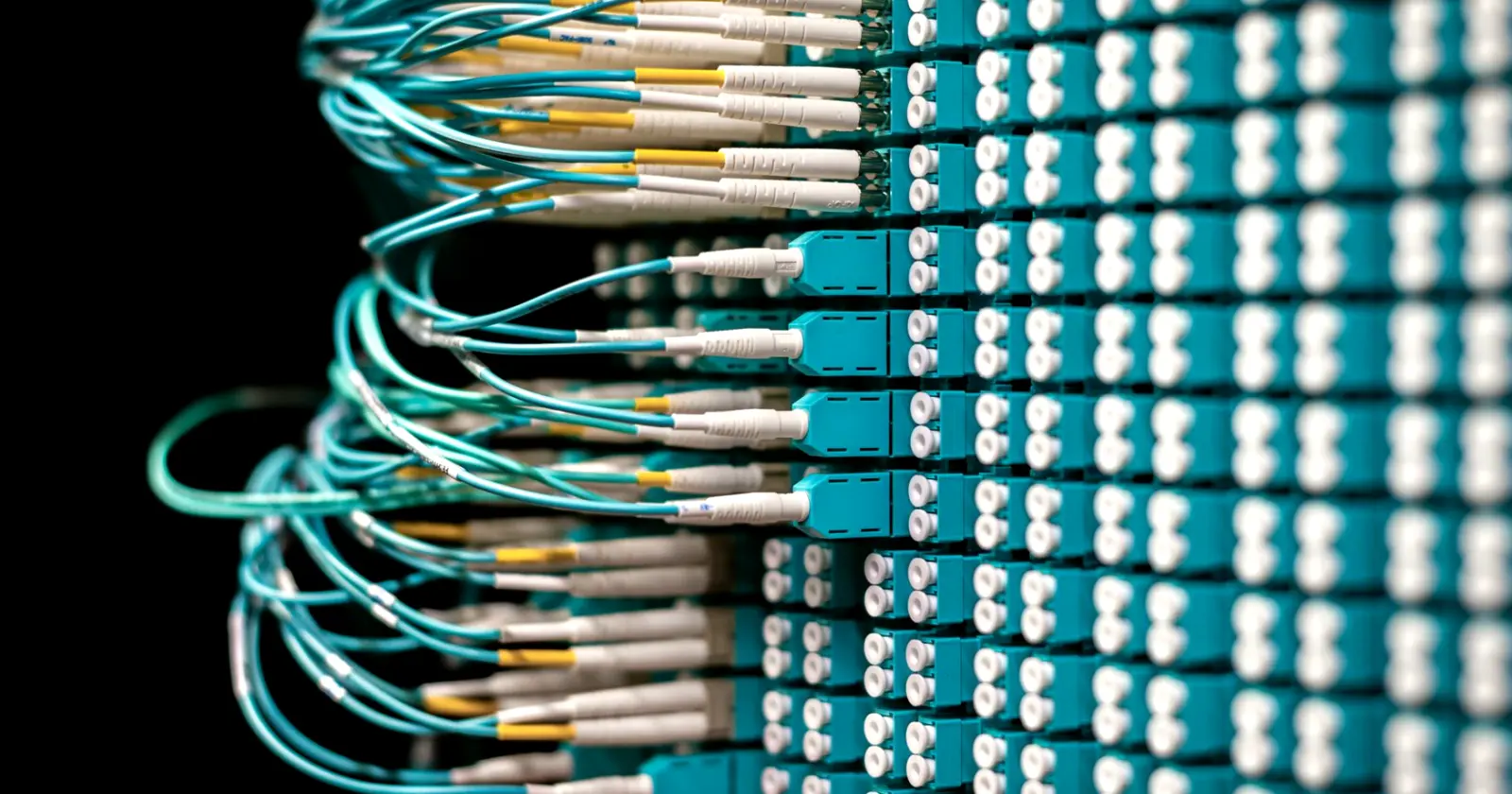
Cable is where most gallery problems start, and also where most can be prevented. We run feeds along agreed routes, protect any crossing of a walkway and label both ends of every line in plain words, not codes only one person understands. When a camera drops out, the person fixing it should be able to read the answer off the tag.
Callum Hartley, our technical director, writes the signal path down before anything is plugged in: which camera goes to which input, where the return feed goes and how the programme output leaves the building. That sheet travels with the crew and is checked against the real rack during the build. Doing this in advance means the build is a matter of following a plan rather than inventing one under time pressure.
Building and testing before the audience arrives
A gallery that has been built but not tested is only a guess. We set aside time for a full test, with every camera live, graphics running, the streaming or broadcast output checked and communications confirmed between the gallery and the camera operators. We would rather find a faulty cable during the afternoon than during the opening number.
Where the schedule allows, a short rehearsal with the performers or a stand-in is worth more than another hour of checking equipment in an empty room. It shows whether the camera positions give usable shots, whether the talkback is clear and whether the vision mixer operator can see what is needed. Short winter days make this harder, so it must be booked into the plan early, not hoped for.
- Test every source, not a sample of them
- Confirm talkback with each camera position
- Keep a spare for the parts most likely to fail
A sensible order of work for the coming months
If you are organising something for the winter, I would suggest this order. Confirm the venue and the gallery room first. Arrange the site visit. Agree the floor plan and the power. Then settle the camera plan and the crew, and only after that the finer points of graphics and output. Each step is easier when the one before it is done.
We are glad to talk any of this through, including for venues that only want a gallery planned and left ready for their own staff. Send an enquiry through the contact page with the venue, the likely dates and what you want to produce, and we will reply with the questions we would need answered and a written quotation.
A well-run gallery is mostly decided before the day: the room, the power, the cable routes and the signal path. Autumn gives enough time to settle those calmly, visit the venue properly and test everything with the show still weeks away. If you are planning an event for the winter months, start with the room and work outwards, and the live production itself will have far less to go wrong.
Hannah Whitlock
Production ManagerHannah schedules crews, equipment and client sign-off from first enquiry to final invoice.