
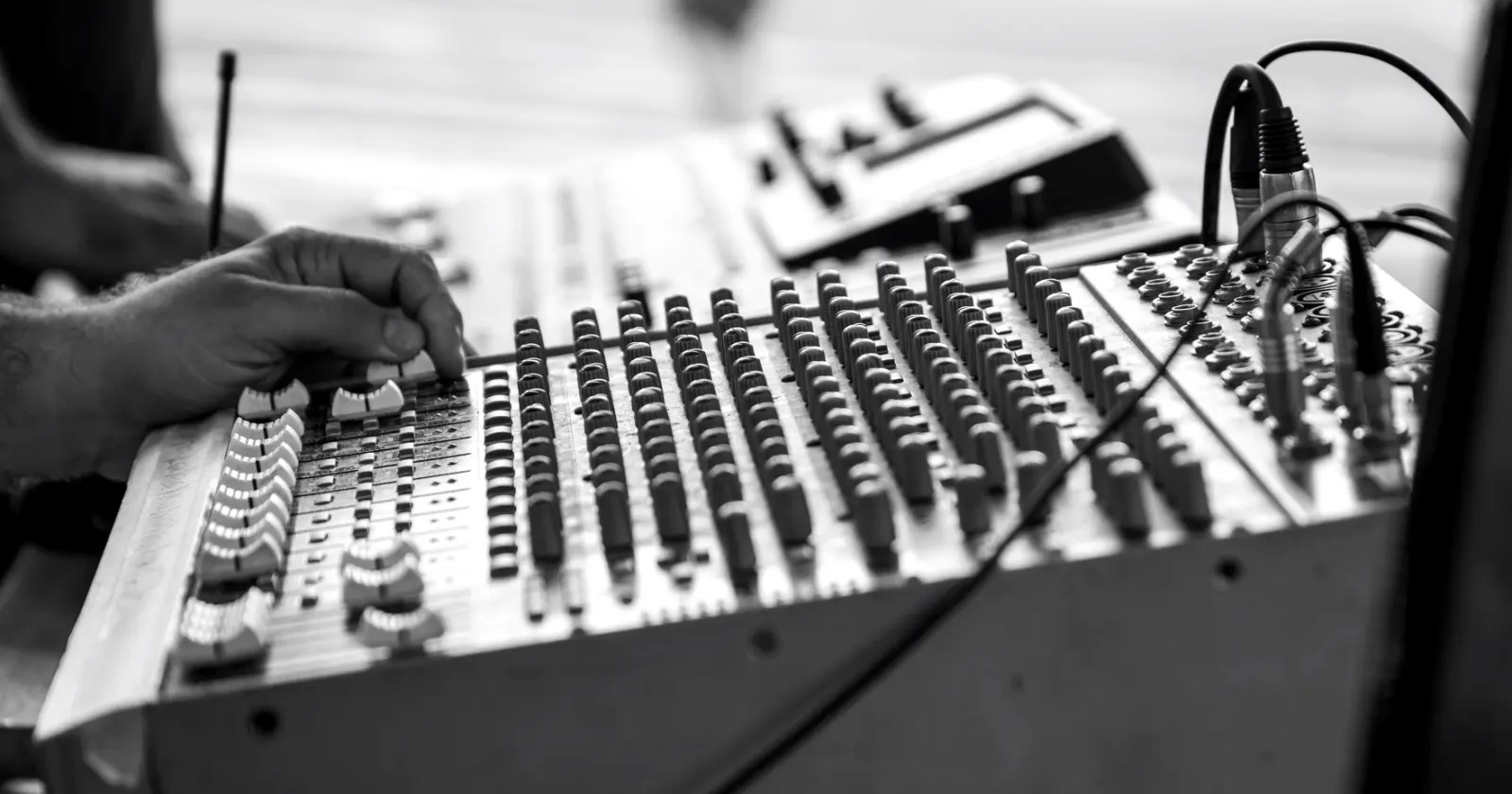
Two ways to run a multi-camera show: one mixer or a full gallery
Daniel Foster compares a lean single-operator switch with a gallery that has a technical director and vision mixer, and says which suits most live concerts and stage events.
The two options on the table
When an organiser asks us to cut a live show across several cameras, the first question is rarely about equipment. It is about who sits in the gallery. There are two sensible set-ups. In the first, a single operator both mixes the cameras and keeps an eye on the technical side of the signal. In the second, a vision mixer operator cuts the show while a technical director plans the camera positions, calls the shots and watches every signal path.
I write this as the streaming engineer, so I sit downstream of both arrangements. I see what reaches the encoder, and I see which set-up gives me a clean, steady programme feed and which one leaves me chasing problems. That vantage point is the basis of the comparison below, and it is why I lean towards one option for most of the shows we take on.
How a single-operator switch works
With one operator, the person at the vision mixer cuts between cameras, sets up the next shot on preview and also answers any camera operator who has a question. For a talk, a small panel or a simple stage with three or four cameras, this works well. The cutting pattern is predictable, the cues are few, and there is little that can surprise the operator mid-show.
The cost is attention. Every minute spent resolving a lost feed or talking to a camera operator is a minute not spent watching the next shot. On a quiet show that trade-off is harmless. On a busy one, the programme starts to lag behind the performance, and the audience notices before the operator does, usually as a late cut to a singer who has already stepped back from the microphone.
- Suits short, low-risk events with few cameras
- Lowest crew cost of the two options
- Leaves no spare pair of eyes on the signal path
How a two-person gallery works
In the two-person gallery, the technical director owns the plan. Callum Hartley, for example, maps every camera and signal path before doors open, agrees who covers which part of the stage, and talks to the camera operators on the intercom during the show. The vision mixer operator then concentrates entirely on the cut, following the music and the action, with Priya Nair-style timing that comes from doing nothing else for the whole programme.
This division means problems are caught earlier. If a camera drops out, the technical director deals with it while the mixer simply cuts to another source and the audience sees nothing. If the running order changes, one person re-plans while the other keeps the show moving. The programme that reaches streaming is calmer, and that is what I value most from my side of the chain.
- Planning and cutting are handled by two people
- Faults are fixed without interrupting the cut
- Better suited to concerts and multi-stage events
What the difference looks like on air
Viewers do not see the gallery, but they see its effects. A single operator under load tends to cut late, hold a wide shot too long, or miss a change of soloist. A paired gallery tends to show the right person at the right moment, with fewer hesitations. None of this is about talent; it is about how much one person can watch at once.
There is also the matter of recovery. A mistake in a live cut cannot be undone, so the useful question is how quickly the gallery settles afterwards. With two people, one can talk the other back into rhythm in a few seconds. With one, the error often repeats while the operator works out what went wrong, and the stream carries that stumble to everyone watching.
Cost, crew and venue constraints
The second option costs more, because it puts another person in the gallery, and some venues have little room for that. A small control position at the back of a hall may seat one comfortably and two with difficulty. If space or budget is tight, a sensible middle course is a single operator supported by a well-written camera plan and a short rehearsal, which recovers a good part of what the second person would provide.
Hannah Whitlock, our production manager, usually asks three questions before recommending either: how many cameras, how many changes in the running order, and what happens if the show overruns. Honest answers to those three settle the choice more reliably than a list of equipment ever does.
- Count the cameras and the stage areas they cover
- Ask how fixed the running order really is
- Check the space available at the gallery position
My recommendation
For concerts, festival stages and any event with more than four cameras or a running order that may move, I recommend the two-person gallery. The extra cost buys steadier cutting, earlier fault-finding and a programme feed that behaves predictably when it reaches the encoder. For talks, panels and short, simple shows, a single operator with proper preparation is entirely reasonable.
If you are unsure which side your event falls on, describe it to us through the contact page, including the venue, the number of cameras you expect and how the running order is built. We will tell you plainly which set-up we would use and why, and we will say so even when the cheaper one is enough.
The choice comes down to how much can go wrong while the show is running. A single operator is enough where little changes; a technical director and vision mixer together are worth having where a lot does. Look at your running order, your camera count and your venue, and pick the gallery that leaves room for the unexpected. If you would like a second opinion, send us the details and we will give you a straight answer.
Daniel Foster
Streaming EngineerDaniel builds and monitors the streaming chain so events reach audiences without interruption.